
How We Built ALPAC London’s Shopify Store for Limited Fragrance Drops
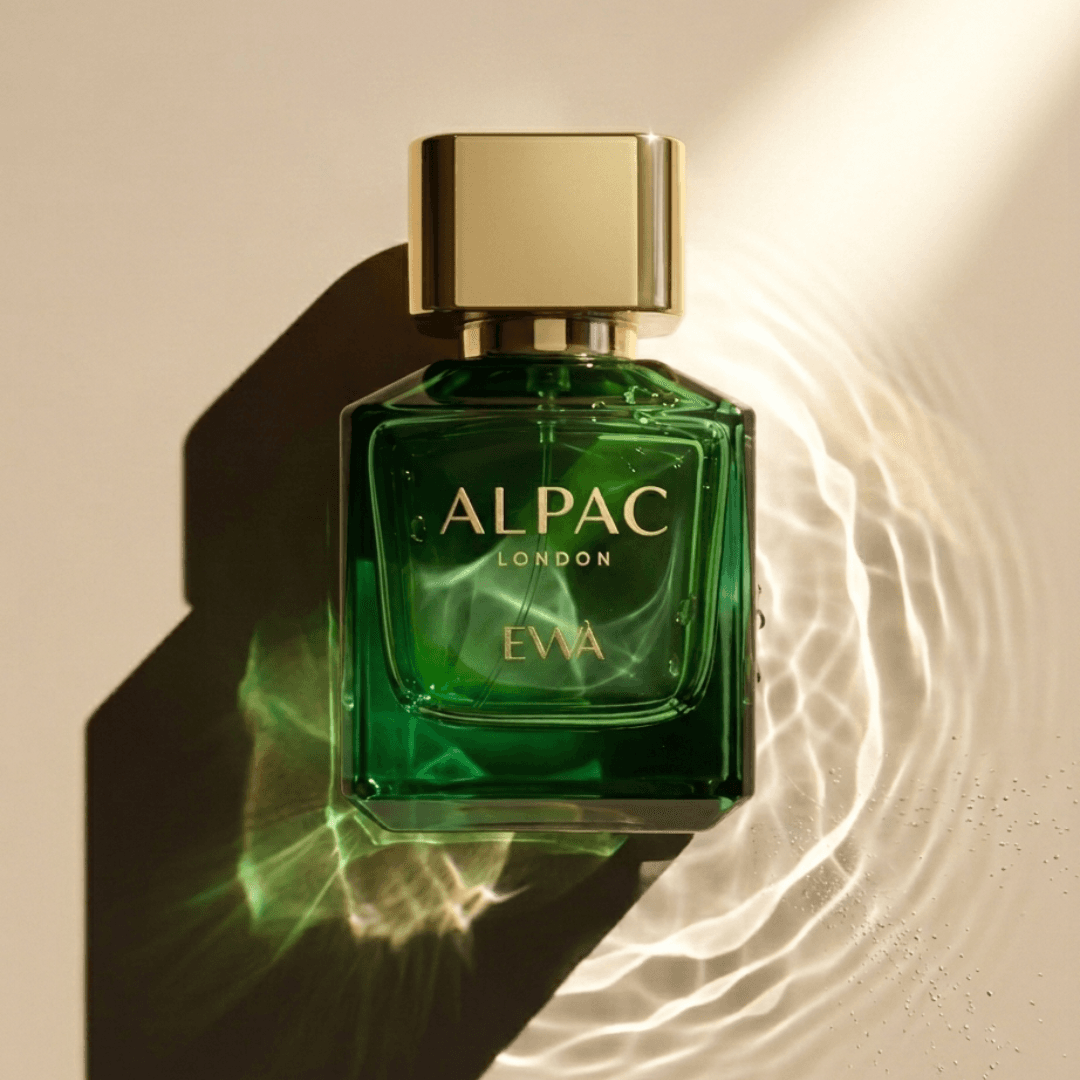
ALPAC London’s opening release gave shoppers a choice between two fragrances shaped by Lagos. When we built the Shopify store, that pair became the starting point for the design. Someone discovering ALPAC could learn why both scents belonged to the same house, then decide which one they wanted to wear.
Build the store around the first release
Basenote worked with ALPAC on brand strategy, positioning, packaging, the website and the launch approach. The limited-drop model linked those decisions. The founding release needed a place of its own, and the site needed to make sense between releases as well.
We built the storefront with Shopify Hydrogen. That gave the drop page its own editorial layout while Shopify continued to manage product variants, prices, availability and checkout. The brand team could tell the story of Drop 001 without maintaining a second copy of the catalogue.
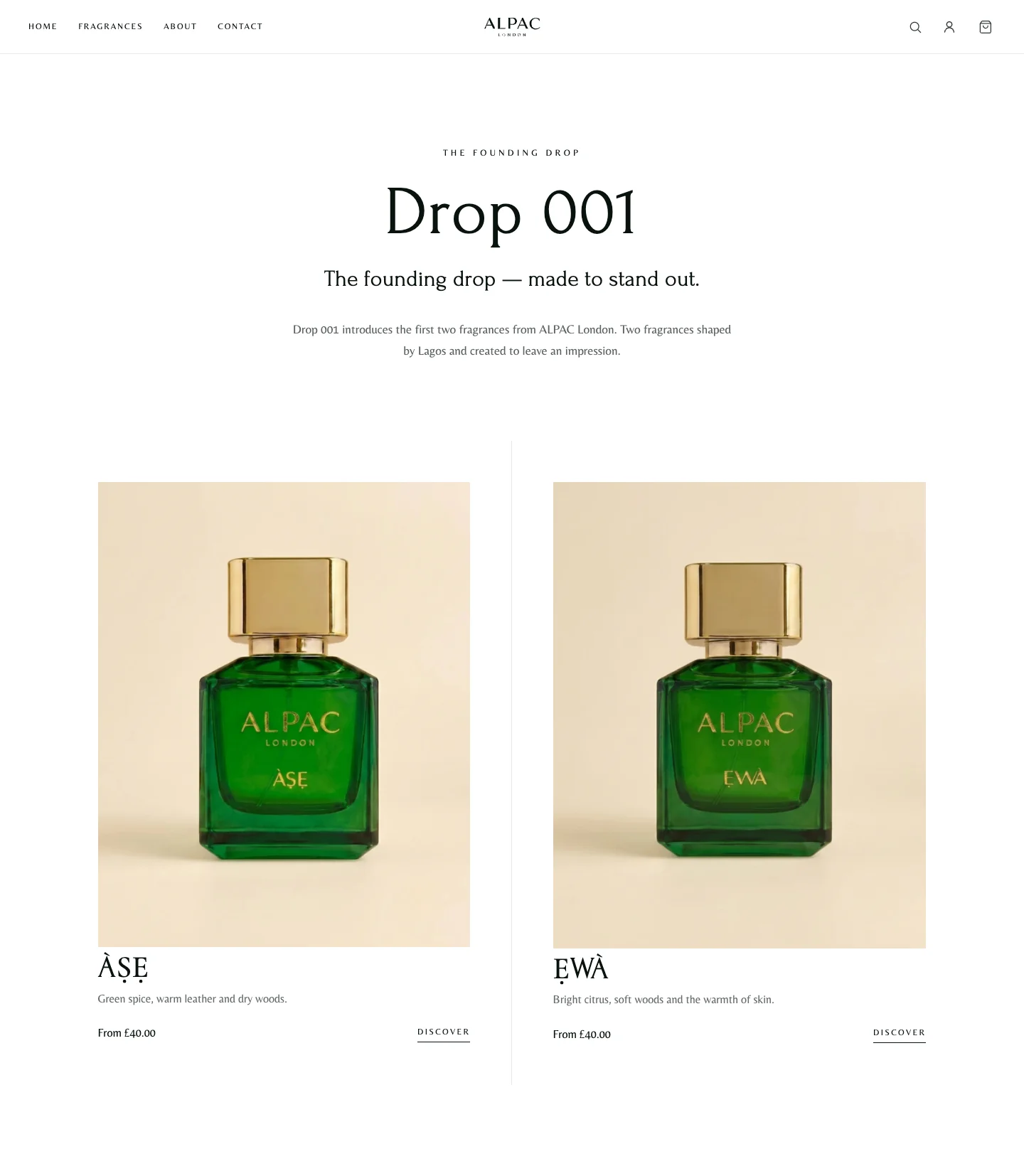
Give ÀṢẸ and ẸWÀ room to stand apart
Drop 001 introduces ÀṢẸ through spice, leather and dry woods. ẸWÀ opens with citrus and moves towards softer woods. Showing both bottles together with a short scent description lets a visitor compare the pair before opening either product page.
On the product page, the shopper can explore that fragrance and choose an available variant. The collection gives the release its context. The individual page does the work of selling a specific bottle.
Give the next drop its own invitation
A visitor can be interested in the house even when the current pair is not the scent they want. The homepage therefore gives the next drop a separate waitlist. Its invitation names the release and explains what email updates the visitor is agreeing to receive.
That distinction matters for a limited-release brand. A shopper who wants a bottle today can go straight to Drop 001. Someone curious about the next chapter can leave an email without having to guess which product page to revisit.
Connect the physical bottle back to the store
The website has a role after checkout, too. The public authenticity page lets an owner enter the certificate code that accompanies a bottle. We gave verification its own address and a link in the footer so an owner can go directly there with the bottle in hand.
The finished store serves three distinct visits. A new shopper can distinguish the opening scents, a returning fan can register interest in the next release, and an owner can look up a certificate. Each visit starts with a different question about the same brand.