Packaging
How the product is presented.

From packaging and bottles to fragrance development, production and launch, this guide breaks the process down into simple decisions.
Private label comes down to three things: packaging, bottle & cap, and fragrance. Get those right, and the rest becomes much easier to build.
How the product is presented.
The physical shape of the product.
Formulate the scent.
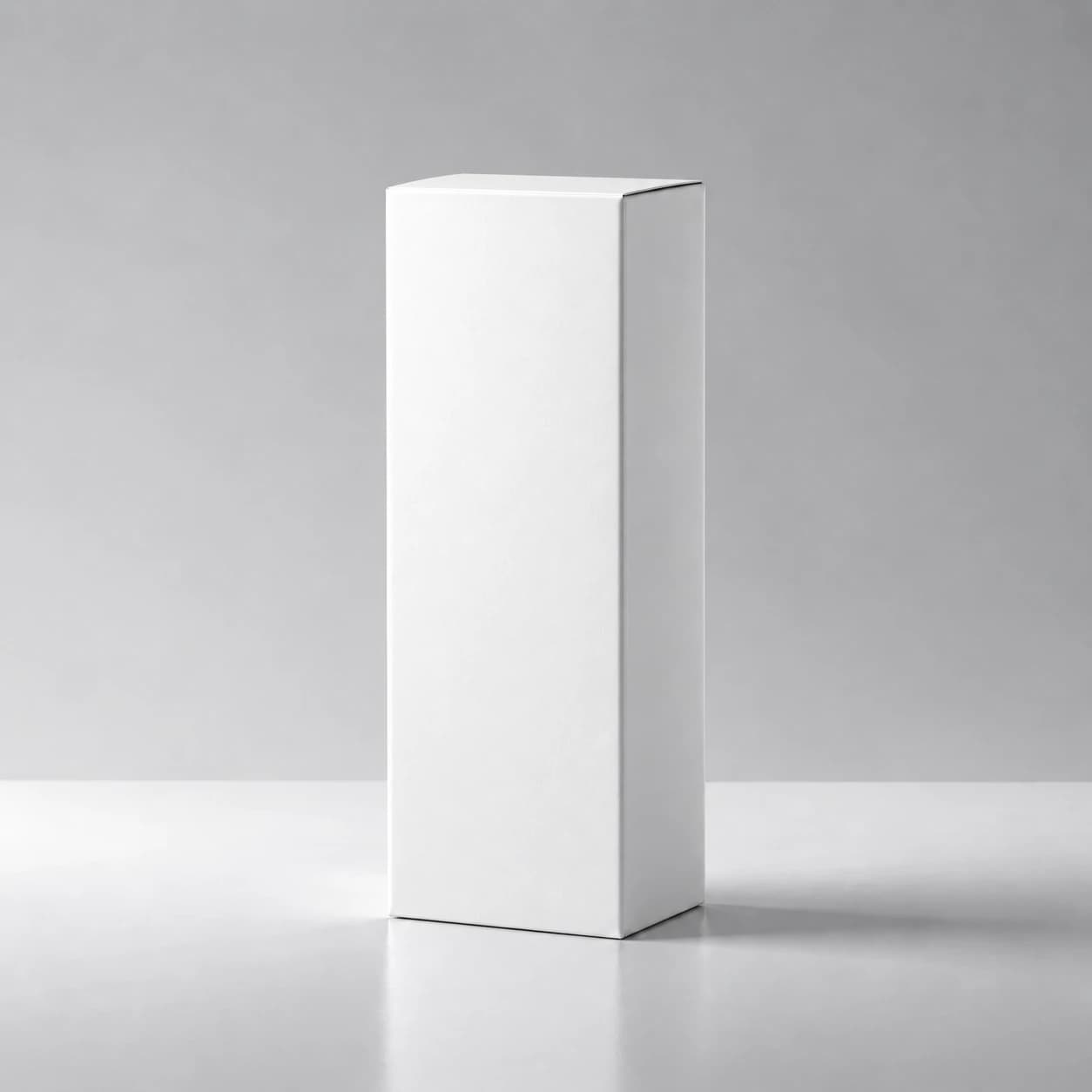
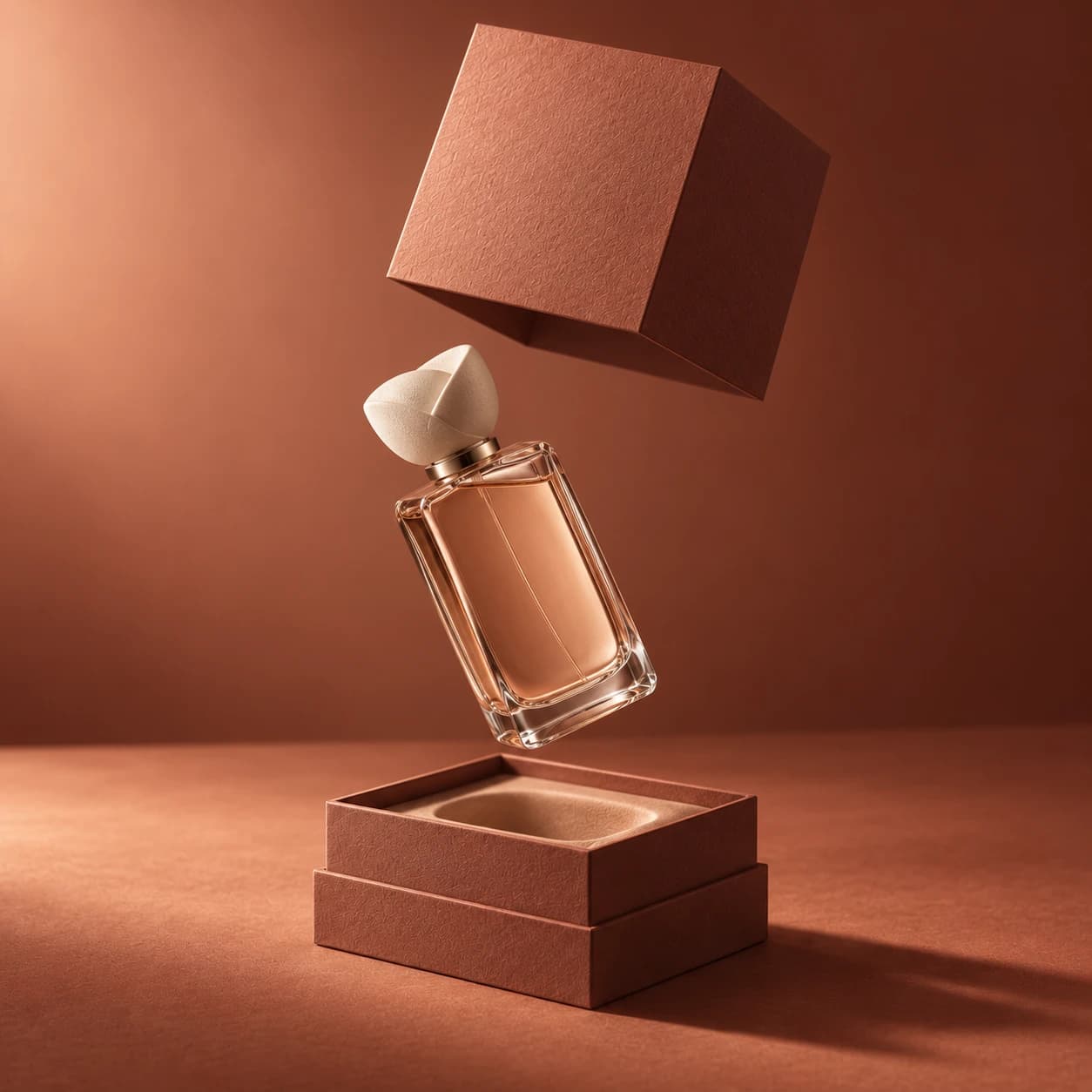
There are two main routes or tiers: paper packaging or rigid packaging.
The right choice depends on the product you’re building, how you want it to feel and where you want it to sit in the market.
Start with the cap, then find the bottle that works around it. From there, coatings and finishes can completely change how the final product looks.
Caps generally offer less room for customisation unless we move into custom moulds, so choosing the cap first can help avoid having to rework the bottle later. Bottles offer much more freedom through shape, coating, printing and labels.
Caps are one of the less flexible parts of the product, so it often makes sense to choose one first and build the bottle around it.

Simple, lightweight caps, typically in plastic. A practical option for keeping the overall pack cost efficient.
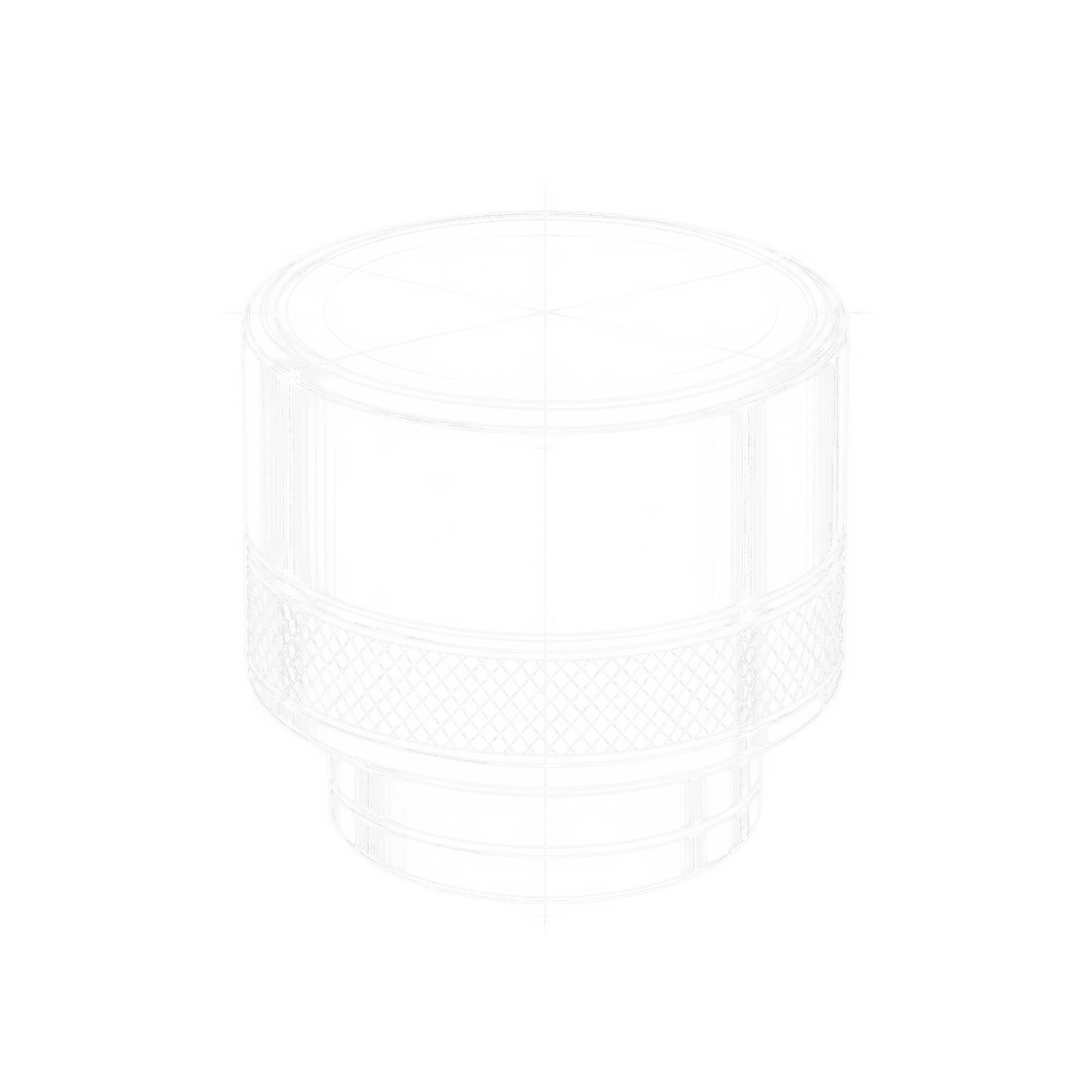
More substantial caps with upgraded materials or finishes, including metal or mixed-material options.
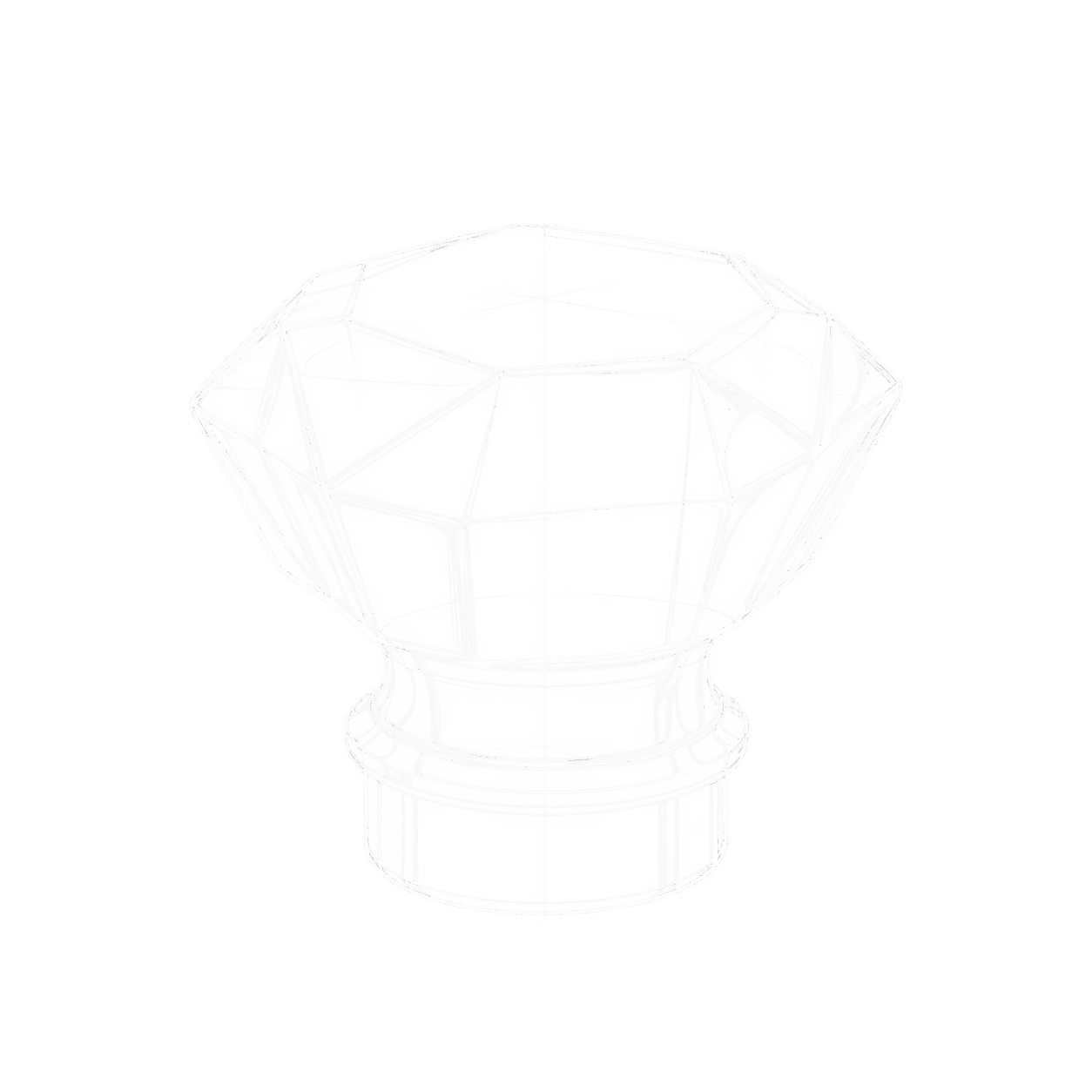
Heavier, more distinctive caps with elevated materials, detailing and finish for a stronger premium feel.
Shape is only the starting point. Once you have the bottle, coatings, colour, printing and labels can completely change how it feels.
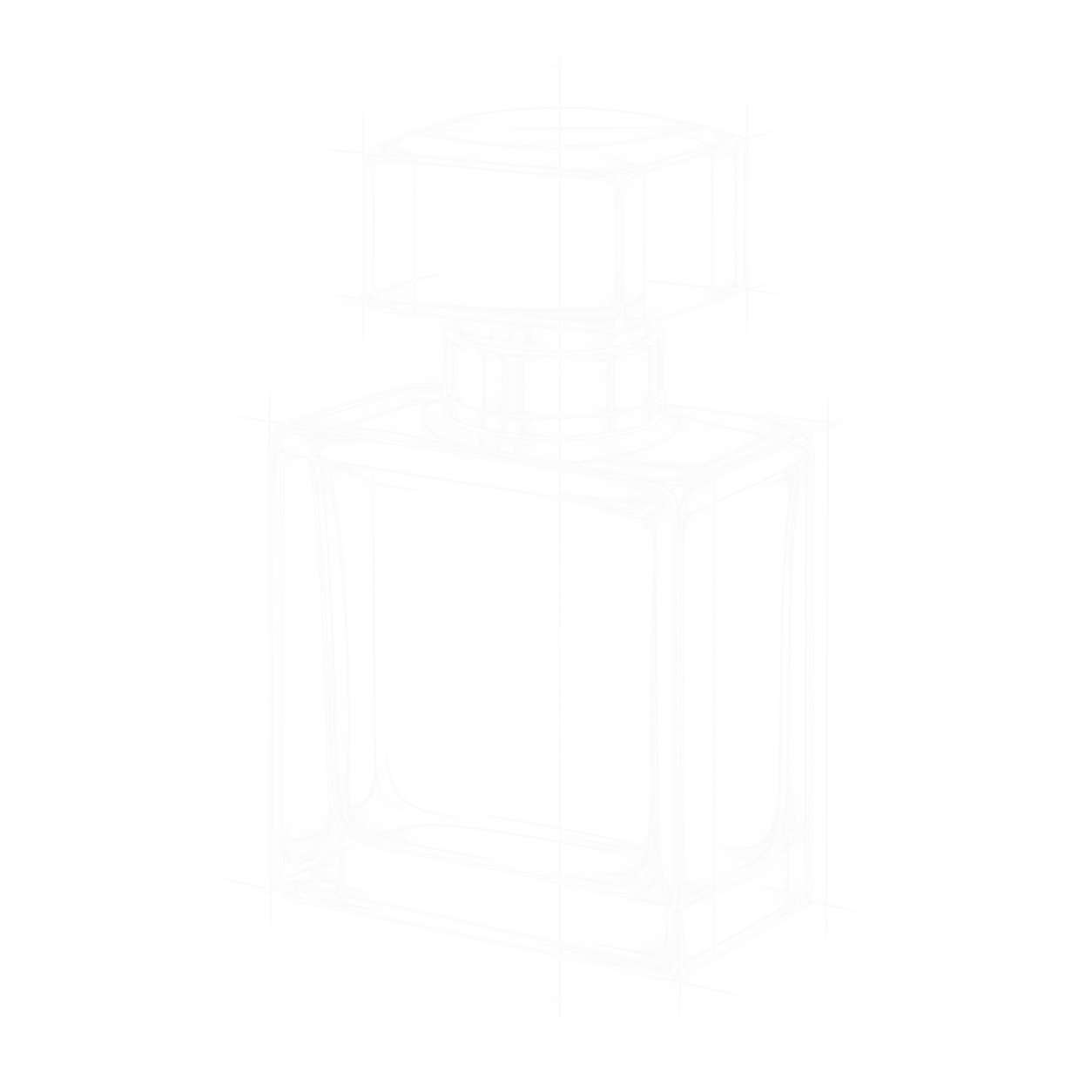
Compact and portable. Ideal for gifting, travel or a smaller fragrance format.

The most versatile everyday size, balancing presence, practicality and price.
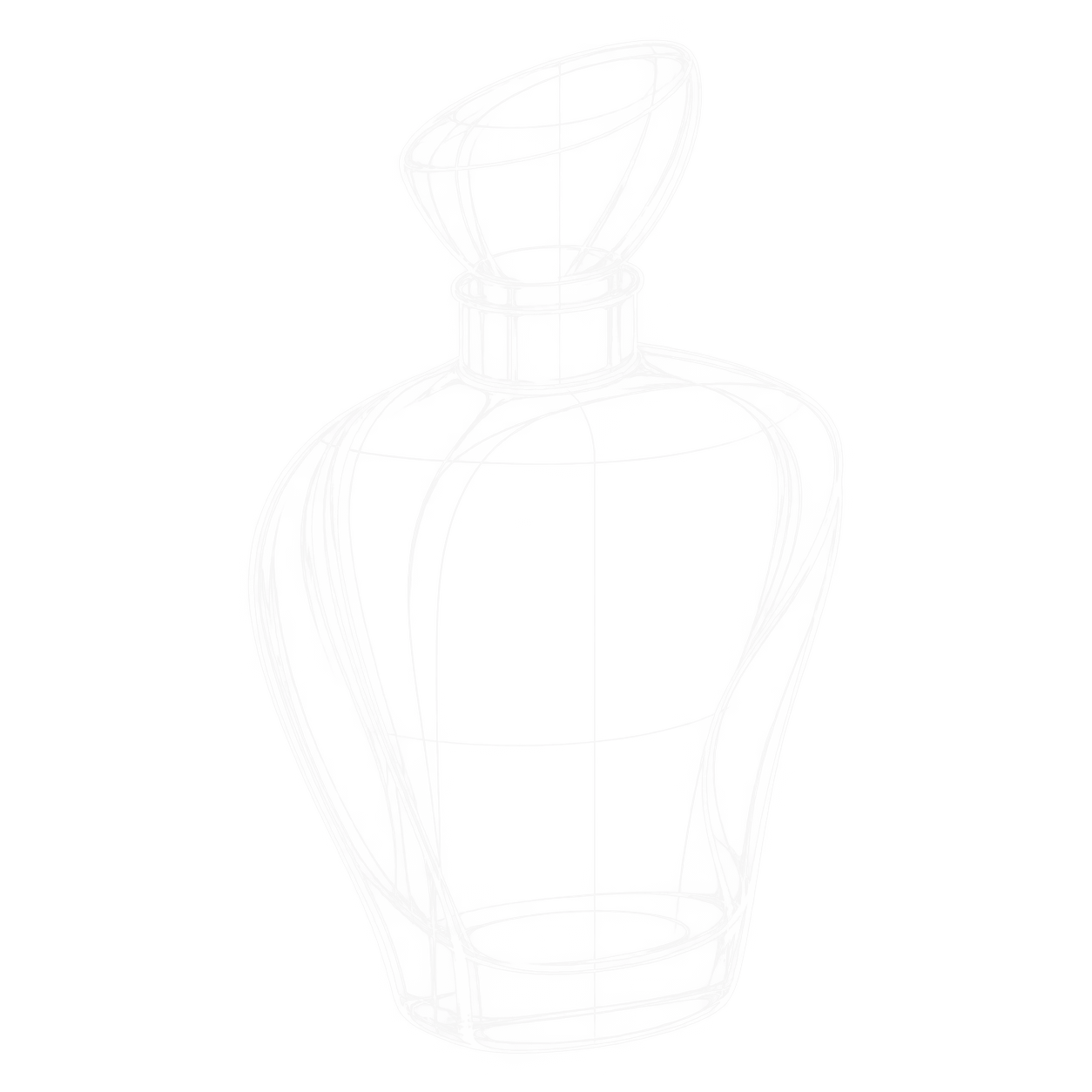
A larger format with stronger shelf presence and a more substantial feel.
A clear bottle can become almost anything. Coating changes the colour, opacity, texture and overall feel of the finished product.
A smooth, non-reflective finish that gives the bottle a soft, understated and premium appearance.
A translucent, diffused finish that gives glass a soft, misted appearance while partially obscuring the contents.
A reflective metal-like finish, such as gold or silver, that creates a polished and luxurious appearance.
A clear or tinted transparent finish that adds colour while allowing the glass and bottle contents to remain visible.
A finish where one colour smoothly transitions into another colour, shade or level of transparency across the bottle.
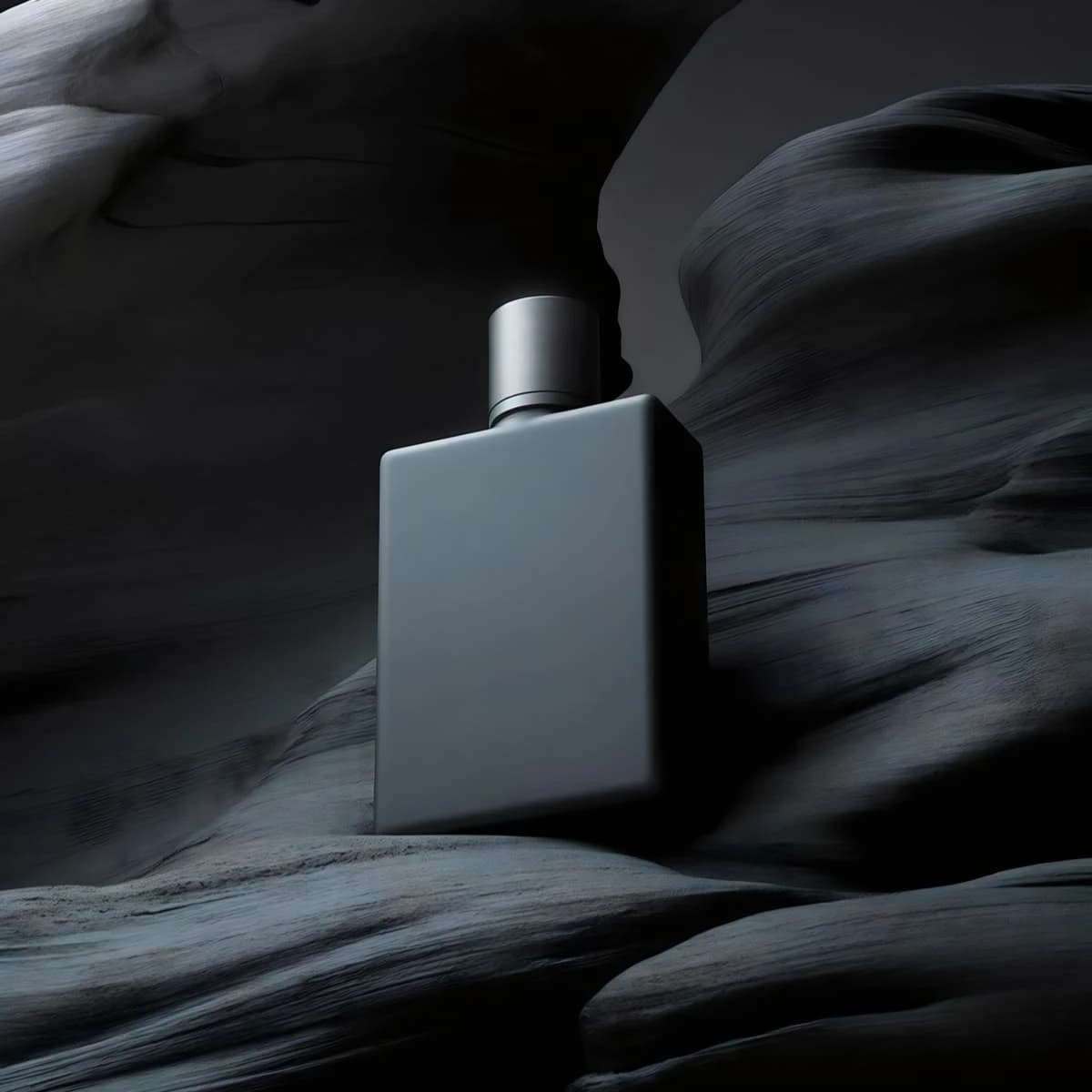
A deep, highly opaque dark finish, typically jet black, that creates a bold, dramatic and premium look.
There are two ways to approach the scent itself: start from an existing fragrance direction or formulate something bespoke.
Use an existing fragrance as the reference point and develop a scent in a similar direction.
This can be a quicker, more accessible route, but it gives you less opportunity to create something genuinely distinctive in a crowded market.
Work with a chemist to develop a fragrance around your brief, references and creative direction.
You’ll sample and refine the scent until the formula is ready for production.
Bespoke development takes more time and investment, but gives you a much stronger opportunity to create something that belongs to your brand.
Tell us what you want the fragrance to feel like, who it’s for and any references you already have.
Start from an existing fragrance direction or develop something bespoke with a chemist.
We translate the brief into fragrance samples for you to experience and compare.
Tell us what’s working and what isn’t. We adjust the fragrance and develop the next iteration.
Once the scent is right, the final direction is signed off.
Lock the concentration and final fragrance specification ready for costing and production.
Once the fragrance, bottle, cap and packaging are aligned, we can lock the specification, confirm the costs and prepare the product for manufacture.
Bring the final decisions together:
Once the specification is defined, Basenote can provide the final quotation.
Costs will depend on the fragrance, components, packaging, finishes and order volume.
Typical minimum order: 500 units per fragrance, depending on the product and components selected.
A production-ready sample gives you the opportunity to see the elements working together before the full order moves ahead.
Nothing goes into manufacture until the agreed sample is approved.
Before manufacture, the product needs to be checked against the relevant regulatory and production requirements.
This is where Basenote handles the technical work behind the scenes so the finished product is ready for its intended market.
Once everything is agreed:
The project is then ready to move into manufacture.
50% of the order value is invoiced before manufacture begins.
Figures are a guide. The typical minimum order is 500 units per fragrance and can vary with the product and components selected. Final cost depends on the fragrance, components, packaging, volume, shipping, delivery and level of support. Bespoke fragrance development, custom packaging and more complex projects can take longer.
Whether you’re still exploring or already working through your options with us, send us what you’ve chosen and we’ll take it from there.